Project Details
An overview of the Kusahara Machiko Collection Digital Archive project and its team members.
About Kusahara Machiko
Kusahara Machiko is Professor Emerita at Waseda University and a pioneering researcher in media archaeology. Since the earliest days of media art, she has curated exhibitions both in Japan and internationally. Her research focuses on the cultural domains where light, shadow, and mechanical motion intersect. Over many years, she has assembled a remarkable collection of rare magic lanterns, early projection devices, projection slides, dioramas, shadow puppet prints and other printed materials, as well as Meiji- to Taisho-era kimono and vintage textiles with exceptional motifs.
In 2021, she received the Agency for Cultural Affairs Media Arts Festival Distinguished Achievement Award. This archive aims to digitize the invaluable primary materials that Kusahara has collected over several decades, making them openly available to researchers around the world.
Project Overview
This project, supported by the Agency for Cultural Affairs of Japan, is led by Waseda University to build a digital archive of the Kusahara Machiko Collection. Under the guidance of an archivist specializing in the modern and contemporary history of media art, and with advice from leading experts in media art research, the project aims to survey the full scope of the Kusahara Machiko Collection, create an inventory and photographic record, assign metadata through ongoing investigation, and publish the results as an openly licensed digital archive.
In February 2024, Kusahara Machiko suffered an unforeseen accident, and communication with her has remained difficult since. In the time that followed, her family and colleagues have continued discussions on how to prevent the dispersal, deterioration, and dormancy of her academically invaluable collection. This project was launched against this backdrop.
Target Materials
The total volume of physical materials is still under investigation. The collection includes magic lanterns from Japan and abroad (several dozen), projection slides, dioramas, shadow puppet prints and other printed materials (hundreds to thousands of items), and Meiji- and Taisho-era kimono and vintage textiles (several dozen pieces). Additionally, 46 cardboard boxes (approximately 700 kg in total) of media art research books and VHS/DVD recorded footage are in storage.
Methods & Organization
Digitization is carried out by the project director, Chen, and three staff members. Equipment from the university is used, and external vendors are commissioned for tasks beyond the capacity of in-house facilities. The process is guided as needed by an archivist specializing in the modern and contemporary history of media art, ensuring proper digitization specifications and future compatibility with external archives, including the Media Arts Database.
First-Year Results & Future Plans
In its inaugural year (FY 2025), a compact photography studio was set up at Kusahara's residence, where 555 primary materials were photographed and catalogued. Documentation of conservation status and metadata creation proceeded in parallel.
The initial web publication of the digital archive is scheduled for March 2026, with the complete dataset targeted for release by March 2027. Some data for which rights clearance has been obtained will be released under a CC0 (Creative Commons Zero) license as public domain information. All web-published text will be provided bilingually in Japanese and English to promote international use. The project also aims to compile and publish the results as a book in the future.
Social Significance
The Kusahara Collection is an exceptionally valuable body of materials that serves as a wellspring for research bridging the pre-modern and modern histories of media art. By making this digital archive available under an open license to media art and visual culture historians worldwide, the project contributes to advancing media art research, supporting creators across disciplines, and promoting educational use. Open licensing enables flexible reproduction and sharing, while long-term public access is maintained by hosting the data on the servers of Waseda University's Tsubouchi Memorial Theatre Museum.
Project Members
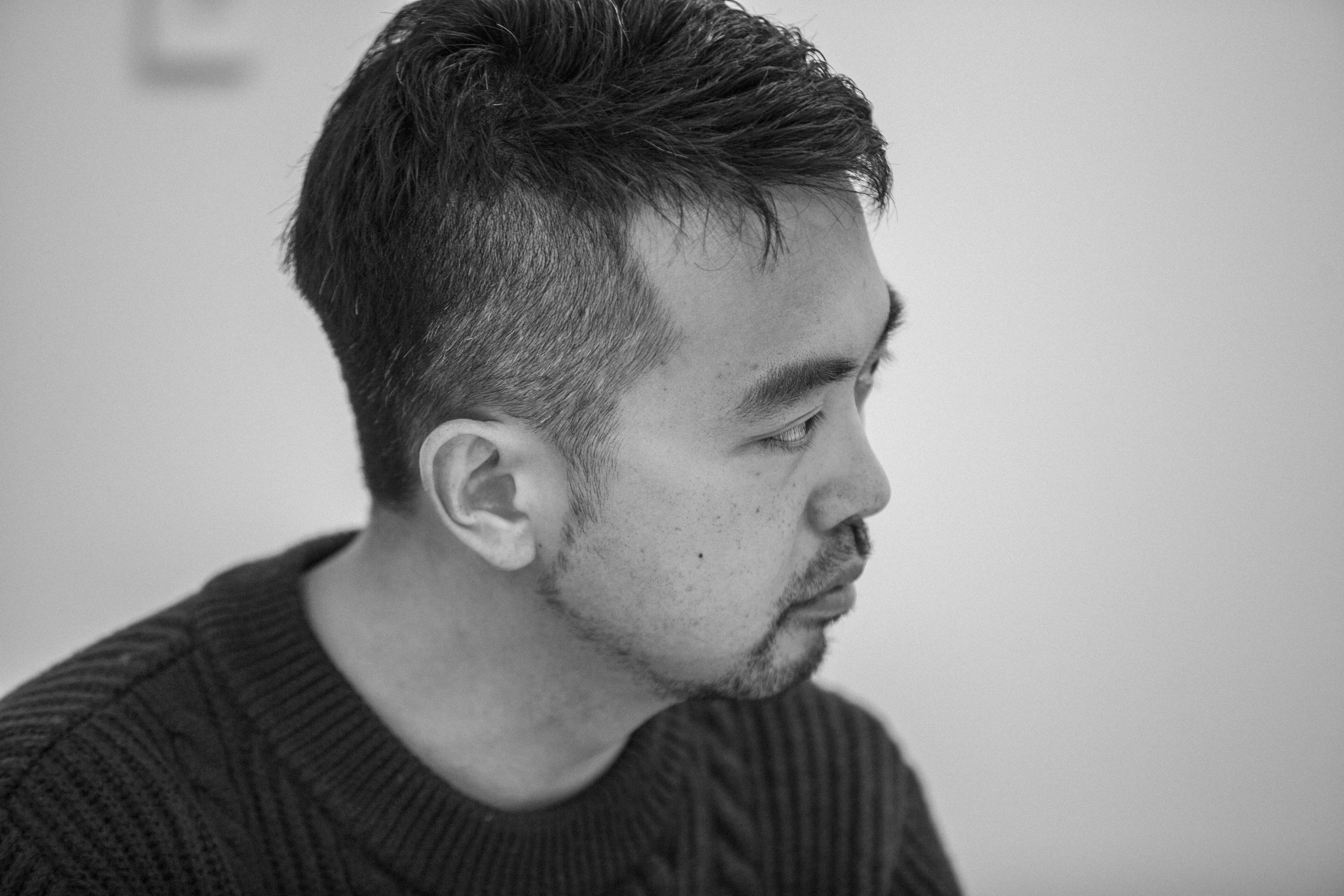
Dominique Chen
Ph.D. in Interdisciplinary Information Studies (The University of Tokyo). After working as a researcher at NTT InterCommunication Center and co-founding Dividual Inc., he is currently Professor at Waseda University's Faculty of Letters, Arts and Sciences. He graduated from UCLA's Design/Media Arts program, then co-founded NPO Creative Commons Japan (now Commonsphere), working to foster a free and open internet culture. In recent years, he has served as Exhibition Director of "Translations: Understanding Misunderstanding" at 21_21 DESIGN SIGHT (2020/2021), as a Good Design Award juror (2016–), and has been developing Nukabot, a fermentation robot that enables conversations between humans and microorganisms, as well as creating the installation "Last Words / TypeTrace," which collects the writing process of wills from unspecified participants. He continues to research the relationships between technology, humanity, and the natural world through exhibitions in Japan and abroad.
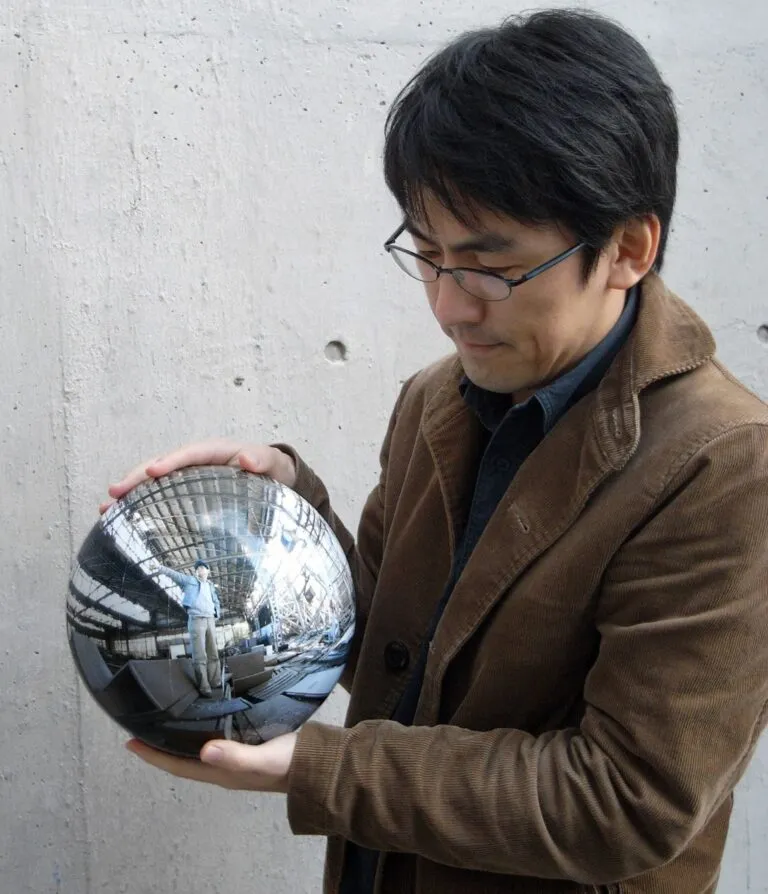
Hashimoto Norihisa
Creates simple yet powerful works from a perspective rooted in the various devices that have accompanied the history and development of moving images. He has led numerous workshops on visual media. Major works include "Panorama Ball" (1995) and "Ultra-High-Resolution Life-Size Insect Photographs [life-size]" (2003). He has participated in numerous exhibitions including the Echigo-Tsumari Art Triennale 2006, "The World of Hashimoto Norihisa: Magnifying Glass and Globe" (2011, Gallery A-Quad), Matsudo Art Picnic (2017), and Echigo-Tsumari Art Field 2022. In recent years, he has also conducted research on 19th-century visual devices and created replicas. He chairs the Science of Visual Toys Study Group at the Japan Society of Image Arts and Sciences.
zeroworks.jp →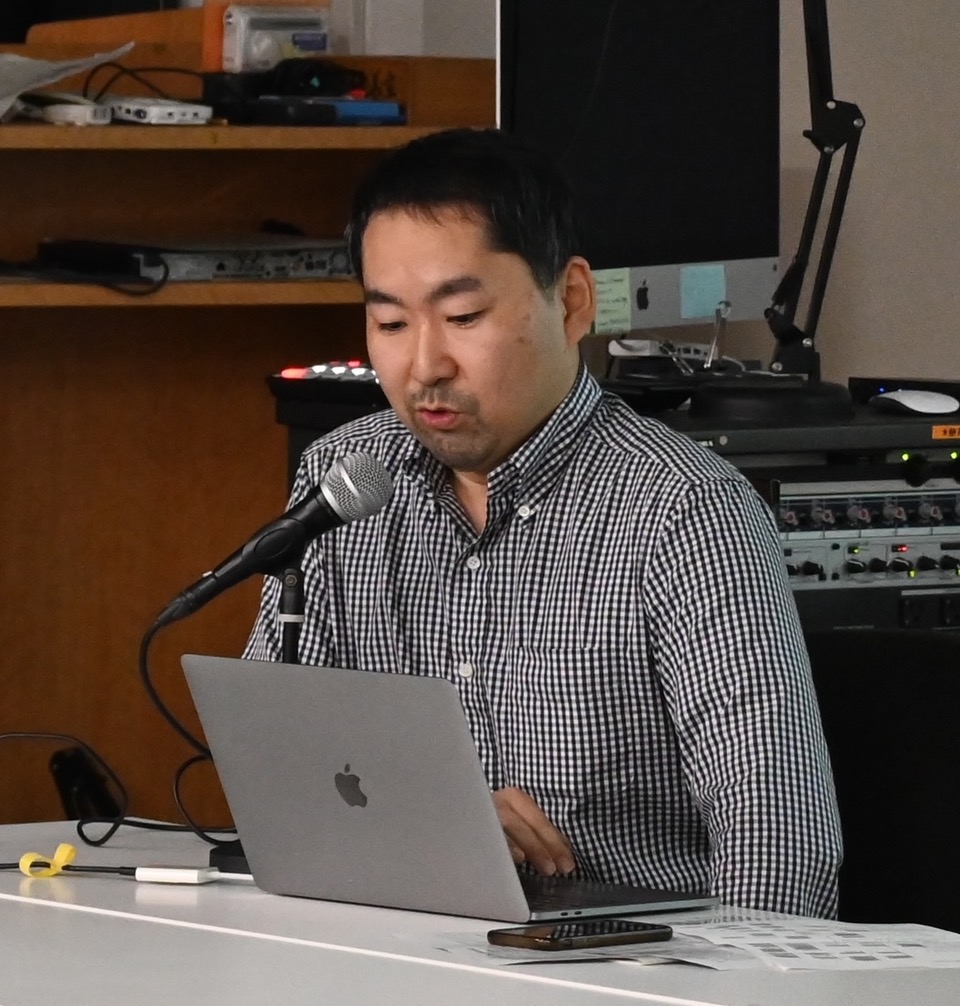
Matsuura Noboru
Completed his doctoral program at the Tokyo University of the Arts Graduate School of Film and New Media in 2011 (Ph.D. in Moving Image and Media Studies). He served as Education and Research Assistant at the same graduate school (2012–15), Part-time Lecturer (2015–22), and Guest Lecturer (2022–25). He was a Visiting Researcher at the Edwin O. Reischauer Institute of Japanese Studies at Harvard University (2018–19). Currently, he is Associate Professor (Special Appointment) at the Tokyo University of the Arts Graduate School of Film and New Media, and Part-time Lecturer at Musashino Art University. His specialty is the visual culture history of modern Japan.
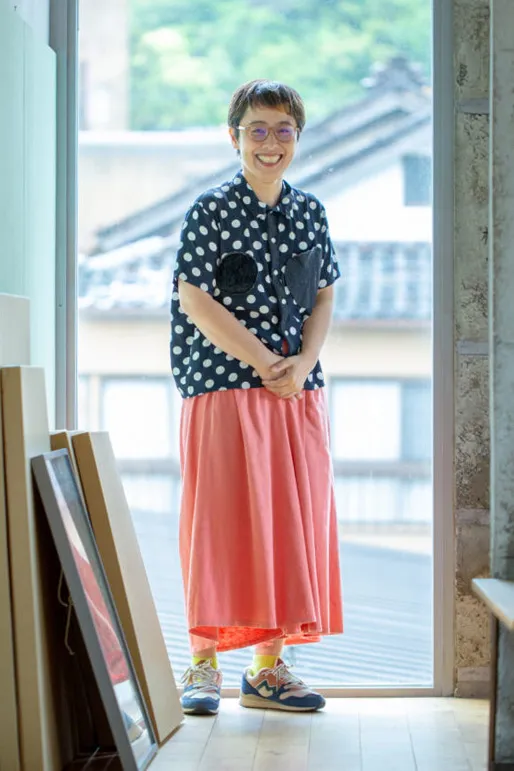
Myokan Hiroko
Born in 1976 in Ishikawa Prefecture, Japan. She graduated from the University of Tsukuba's School of Art and Design (Comprehensive Plastic Arts course) and the Institute of Advanced Media Arts and Sciences (IAMAS) Lab Course. She completed her Master's in Media Art History at Danube University (Austria). After working as a curator at NTT InterCommunication Center [ICC], she has been engaged in research and projects related to the documentation and preservation of media art. For five years from 2013, she served as a Visiting Researcher at the inter media art institute Düsseldorf (imai, Germany), working on video art digitization and database construction projects. After returning to Japan, she established Eizo Workshop based in Kaga City, Ishikawa Prefecture. She has served as a selection committee member for the Art Division of the Agency for Cultural Affairs Media Arts Festival (2019–2021), a juror for the Asia Digital Art Award FUKUOKA (2021–), and a Curatorial Researcher for SIAF Lab (2022–). She is a Part-time Lecturer at Kanazawa College of Art and Kyoto Seika University.
Yamazaki Shota
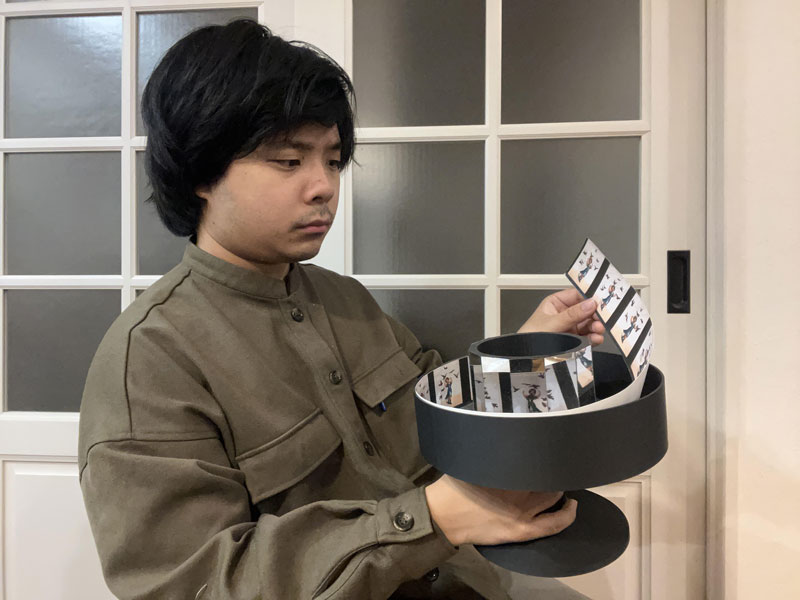
Born in Hino, Tokyo, in 2002. Graduated from the Department of Philosophy, Faculty of Letters, Gakushuin University, in 2025. Currently enrolled in the Graduate School of Humanities, Gakushuin University, specializing in Body Representation and Cultural Studies. Research focuses on 19th-century visual culture, optical devices, and the prehistory of animation.
Expert Advisors
Erkki Huhtamo
Media Archaeologist (University of California, Los Angeles — UCLA)
Hosoma Hiromichi
Human Behavior Researcher (Waseda University)
Collection Owner
Machiko Kusahara
Since the early 1980s, she has been dedicated to the development of media art and international exchange as a curator through exhibitions, lectures, publications, and education. Her wide-ranging activities include: exhibition planning for Tsukuba Expo '85, the World Design Expo, and the 21st Century Future Experience Expo; preparations for the opening of the Tokyo Metropolitan Museum of Photography and the NTT InterCommunication Center [ICC]; the founding of Digital Image, an independent collective of CG artists; publications such as Computer Graphics Anthology (Bunkensha, 1989); presentations of Japanese works at international venues including IMAGINA and the Berlin International Film Festival; and jury service for open-call exhibitions in Japan and abroad, such as the Ars Electronica Festival. She has also given numerous lectures, taught courses, and published extensively overseas. Her scholarly papers on media art fields such as artificial life and device art, as well as on the history of Japanese visual culture including utsushi-e and gentō (magic lantern) traditions, are used in university education in various countries. She has nurtured the next generation of practitioners through teaching positions at Tokyo Polytechnic University, the Institute of Advanced Media Arts and Sciences [IAMAS], the University of California, Los Angeles (UCLA), and Waseda University, among others. She is Professor Emeritus at Waseda University and holds a doctorate in engineering. In 2021, she received the Achievement Award at the Japan Media Arts Festival.
Funding
Agency for Cultural Affairs, FY 2025
Media Arts Archive Support Project